Our Dictionaries of Lost Words
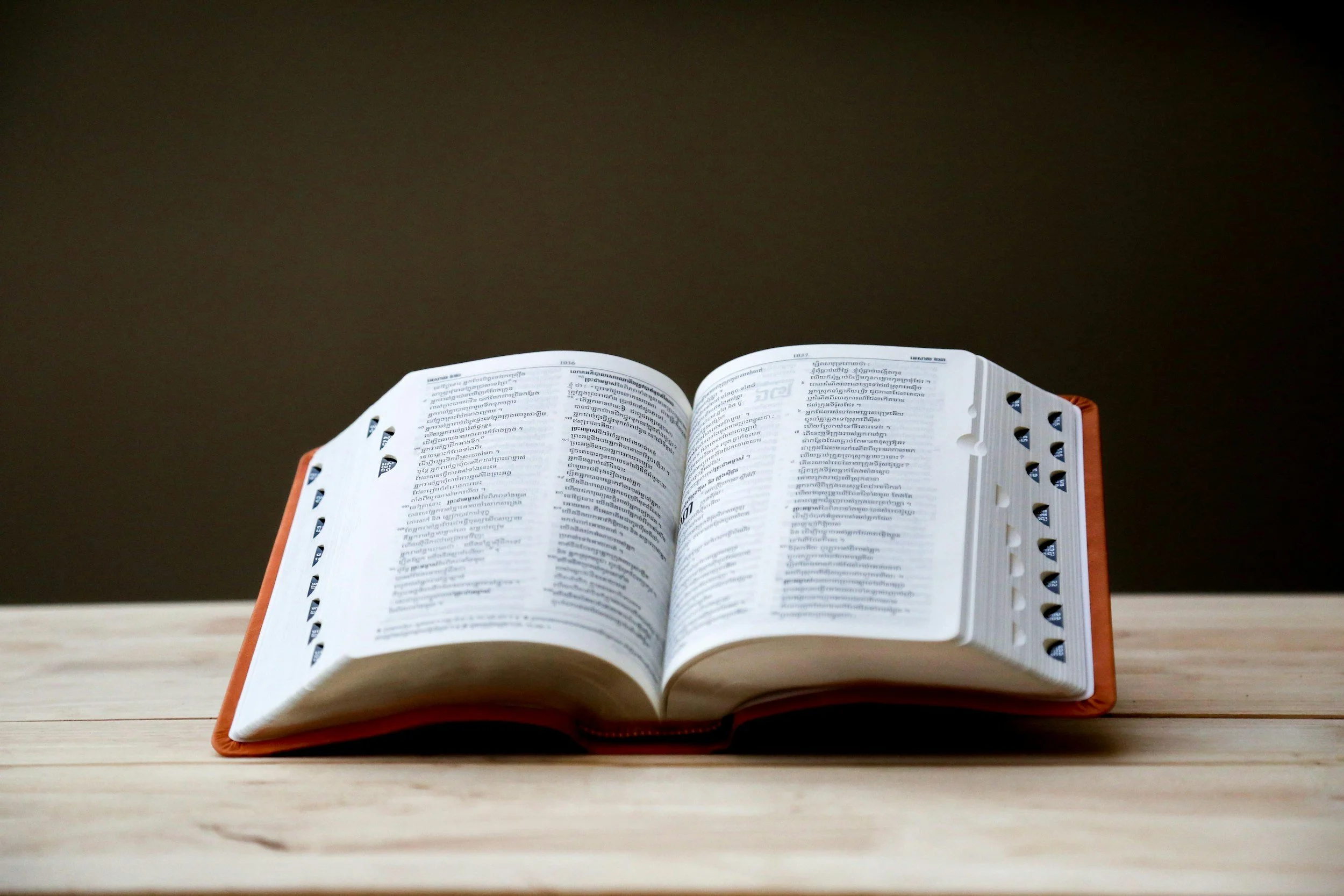
I have recently been reading Pip Williams’ 2020 novel The Dictionary of Lost Words. The novel traces the life of Esme Nicoll, who as a young child, spends her days under the table in the Scriptorium, a shed where her father and other men collate and determine entries for what will become the Oxford English Dictionary. Each day, various scraps of paper fall to the floor, containing words that the men have deemed unsuitable for publication in the dictionary. Her curiosity piqued by the men’s choices, Esme begins collecting these words, wonders why certain words are considered more important than others, and stores them in a trunk, a trunk that she names her own “dictionary of lost words.”
While I have yet to complete the novel (having time to read is a luxury!) the themes of power, control, choice, and the privileging of men’s voices over women’s voices, emerge from within the book’s pages. The novel invites us to consider a variety of questions. What exactly is language? Where does our language come from? Who decides what words are acceptable or unacceptable, included or excluded? What happens when we choose to censor the words of others, or either knowingly or unknowingly, censor ourselves? By inviting reflection on these questions, the novel presents a message applicable to the late 19th – early 20th century in which it is set, as well as lessons for the time in which we live.
“When we embrace another person’s words, their language, their “dictionary,” we embrace them.”
These questions also emerge in the context of therapy. When an individual, couple, child, or families seek therapy because of grief or trauma, there is often a tension, a struggle, a wrestling with words. What words might a person choose to use in such painful circumstances? Might such a person hold the experience where their words were invalidated, where they were told their issues did not matter, such that even the very act of speaking feels strange, tenuous, and inhibiting? Might such a person carry the legacy of trauma within them, implicitly, such that they are reckoning with narratives painfully stored within their body, personal expression wanting to emerge after so many years of suppression, to be granted voice and to be held? Many individuals, couples, children, and families have their own trunks, containing their unique “dictionary of lost words.”
Holding another person emotionally requires that we also hold their “dictionary of lost words,” that through presence and empathy, they find strength to open their dictionary to whatever page they wish, that they feel empowered to embrace the fullness of their vocabulary, and that they discover resilience in a therapy that is free from any kind of censorship.
In Williams’ novel, Esme’s aunt Ditte explains, “Words are our tools of resurrection” (p. 31). As a therapist, I am keenly aware of the words that my clients use to narrate their experiences, the words that they struggle to use, and the words that may need to wait to be said. I am also mindful of silence, of the importance of allowing time to process a thought, to choose the next word (or not), and of the moments where there are no words, where silence must reign.
There is a tentativeness when an individual uses their lost words for the first time, when they use language to break their silence, to give voice to their experience. Sharing in such a moment is a privileged, sacred encounter. When we embrace another person’s words, their language, their “dictionary,” we embrace them.